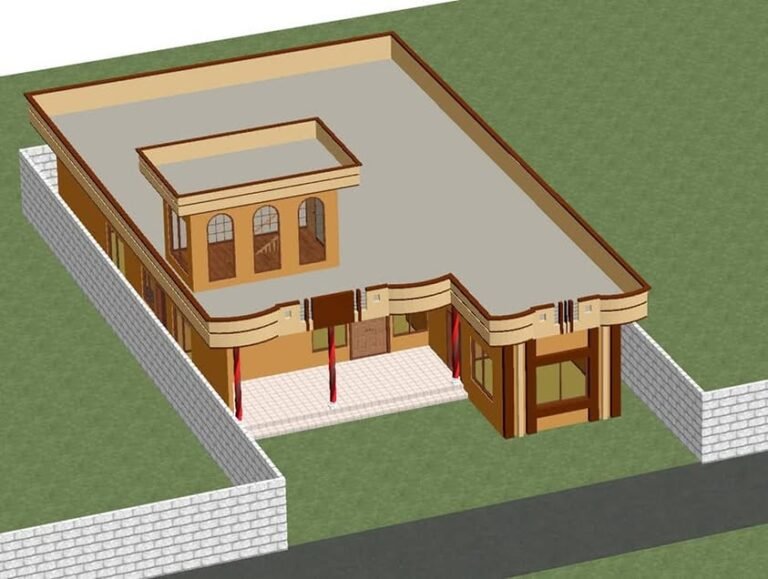
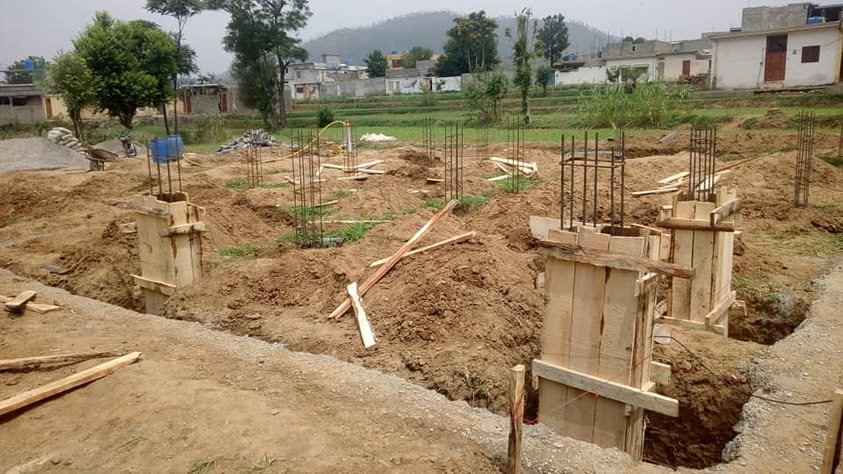
A house construction agreement is not paperwork for the sake of paperwork. It is the shared memory of the project: what is included, who supplies what, how quality will be checked, when payments become due and what happens when the unexpected occurs.
Why verbal promises become expensive on site
Most disputes do not begin with bad intentions. They begin with two people remembering the same conversation differently. A homeowner believes plaster repair, debris removal or waterproofing was included. The contractor believes it was an extra. Once labour is on site and money has changed hands, even a small misunderstanding can delay work and damage trust.
A clear written agreement removes that uncertainty. It gives the homeowner a practical way to check progress and gives the contractor a fair definition of the work being priced. The best agreement is specific to the plot, drawings, construction method and contract type—not a generic sheet with only names and a total amount.
The eight clauses that protect both sides
- Contractor responsibilitiesList excavation, formwork, reinforcement, masonry, plaster, curing, cleaning and every other included activity.
- Owner responsibilitiesDefine responsibility for drawings, approvals, site access, water, electricity, materials and timely decisions.
- Defective-work procedureState who inspects the work, how defects are recorded, the correction period and who pays for rework or wasted material.
- Material specificationRecord approved brands, grades, sizes and acceptable alternatives for cement, steel, bricks, aggregates, pipes, cables and finishes.
- Payment scheduleLink payments to measurable, inspected milestones rather than dates alone or informal requests.
- Completion periodSet start and target-completion dates, allowed extensions and the process for recording delays outside either party’s control.
- Measurement methodClarify whether work is measured by square foot, cubic foot, running foot, item rate or another agreed method.
- Accounts and variationsExplain how advances, deductions, extra work, cancelled items, rate changes and the final account will be approved.
Define the scope before discussing the price
“Build the house” is not a scope of work. A usable scope refers to the approved drawings and breaks the project into activities. It should cover foundation depth, concrete grade, reinforcement, wall thickness, roof system, plaster, waterproofing, plumbing, electrical work and finishes. It is equally important to list exclusions. If boundary walls, wardrobes, external paving or utility connections are not included, say so clearly.
Attach the latest drawings to the agreement and give each revision a date or number. When the design changes, record the cost and time impact in a written variation before the changed work starts.
Labour-rate or material-rate contract?
| Contract type | Owner usually manages | Contractor usually manages |
|---|---|---|
| Labour-rate agreement | Purchase, delivery, storage and availability of construction materials. | Labour, agreed tools, workmanship and completion of the listed activities. |
| Material-rate agreement | Approvals, design decisions and payments against verified progress. | Labour plus the specified materials, delivery, handling and agreed wastage. |
Neither model is automatically better. The right choice depends on how much purchasing control the owner wants, the time available for site management and how clearly material quality can be specified. Whichever model you choose, transportation, storage, wastage and testing must not be left to assumption.
One rule that prevents many disputes
Do not start additional work on a verbal instruction. Record the description, quantity, rate and effect on completion time in a written variation or change order, then obtain approval from both sides.
A practical pre-signing checklist
- Attach the approved drawings and the latest structural details.
- List included and excluded work in plain language.
- Specify material brands, grades and the approval process for alternatives.
- Connect every payment to an inspected, measurable milestone.
- Agree how variations and extra work will be priced.
- Record the completion period, legitimate extensions and delay procedure.
- Set a weekly site-record and progress-verification routine.
- Keep a final retention amount until the snag list and handover are complete.
What a good agreement should feel like
A professional contract is balanced. It should not protect one side by making the other side carry every risk. It should make the project easier to run, easier to measure and easier to close. Before signing, both parties should be able to explain the scope, payment logic and quality standard in the same words.
Frequently asked questions
Can I use the same construction agreement for every house?
A template is a useful starting point, but the scope, drawings, soil conditions, material specification and pricing method should be adapted to the actual project.
Should I pay a large advance?
Any advance should have a defined purpose and be adjusted against future bills. Most of the contract value is safer when released against verified progress.
Who should measure completed work?
The agreement should name the responsible person and the measurement method. Joint measurement by the contractor and the owner’s representative creates the clearest record.
Start your project with a clear scope
Unique Design & Construction provides survey, design and construction guidance for homes in Mansehra, Abbottabad, Battagram and surrounding areas. Share your plot details and project stage with our team.
WhatsApp UDCContact Us